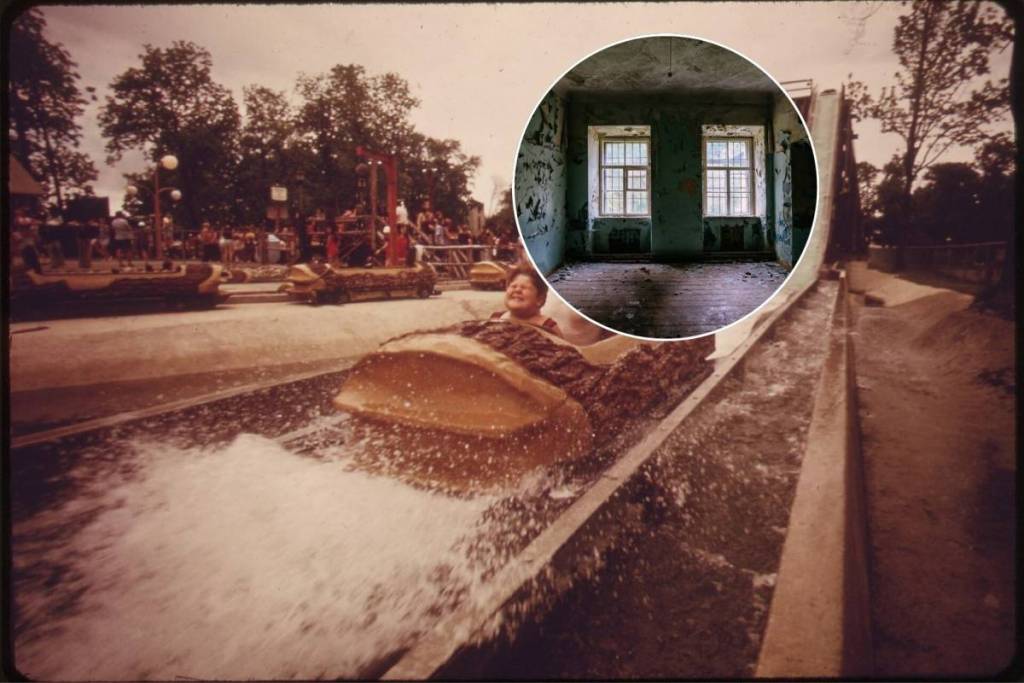

Scattered across the GTA and Southern Ontario, these places offer a glimpse into chapters of history left behind—where underground tunnels lie silent, historic buildings endure, and traces of the past can still be found.
Lakeshore Psychiatric Hospital
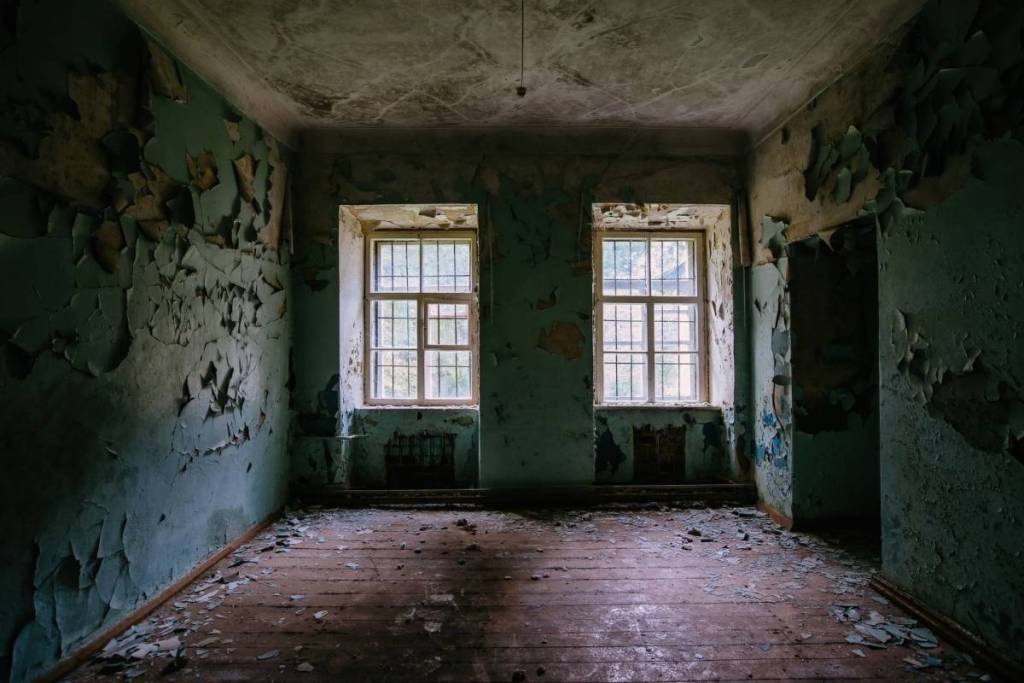
For decades, a vast psychiatric institution occupied Toronto’s western waterfront. Originally known as Mimico Asylum, the site grew into a sprawling campus of hospital buildings linked by underground tunnels. Although the hospital eventually closed and much of the property was transformed into parkland and educational facilities, portions of the former tunnel network are believed to remain beneath the site—a hidden reminder of nearly a century of psychiatric care, changing treatment practices, and the complex history that unfolded behind its walls.
Don Valley Brick Works
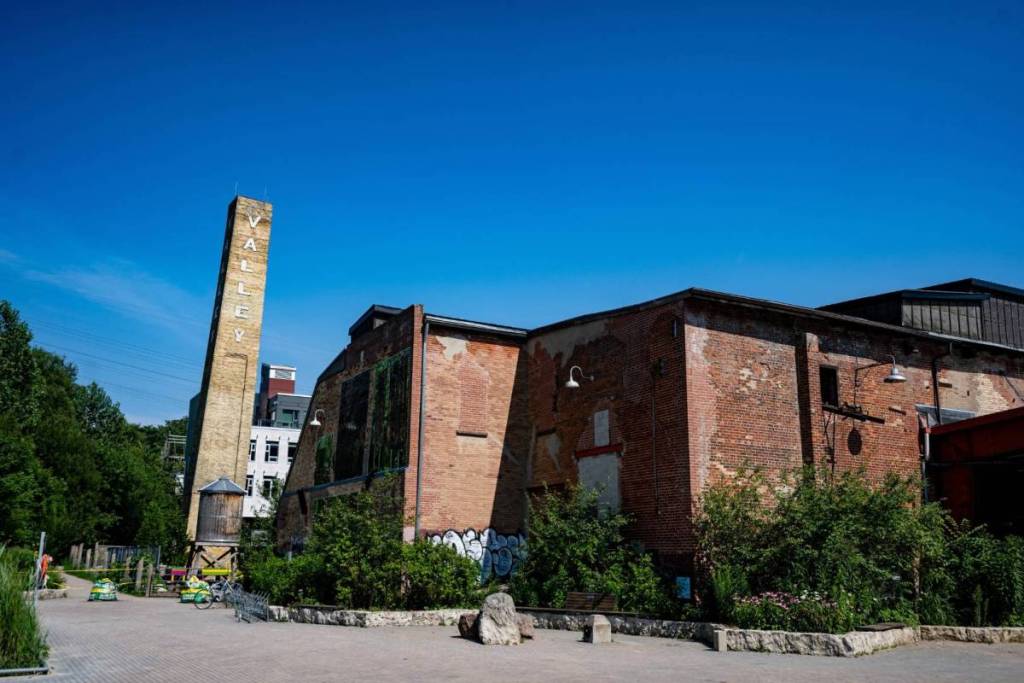
For more than a century, the Don Valley Brick Works supplied bricks for thousands of buildings across Toronto. Including several notable landmarks. After operations ceased in the 1980s, the factory fell into decline as its buildings deteriorated and its machinery was abandoned. Today, the site has been reimagined as an environmental and community hub, but traces of its industrial past remain—a reminder of the factory that helped shape Toronto’s growth.
Whitby Psychiatric Hospital
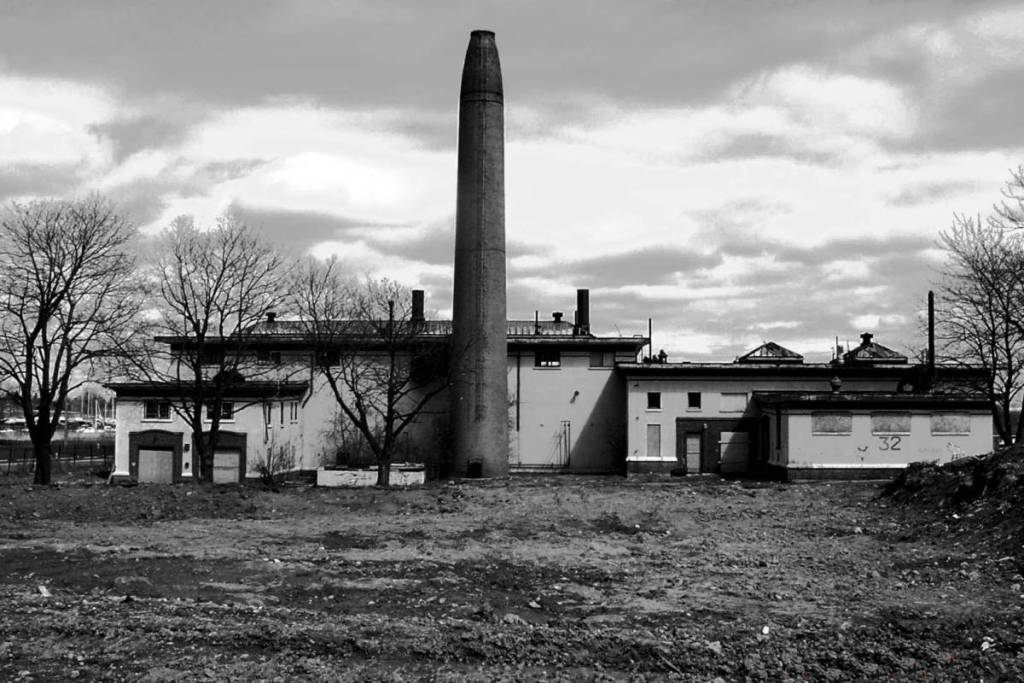
Built between 1913 and 1916 and opened as a psychiatric hospital in 1919, Whitby Psychiatric Hospital grew into one of Ontario’s largest mental health institutions. The sprawling campus cared for patients for generations. Its architecture reflected evolving ideas about treatment, care, and hospital design throughout the twentieth century. Although much of the site has been repurposed, several historic buildings remain. They offer a glimpse into more than a century of mental health care and the changing approaches that shaped it.
St. Thomas Psychiatric Hospital
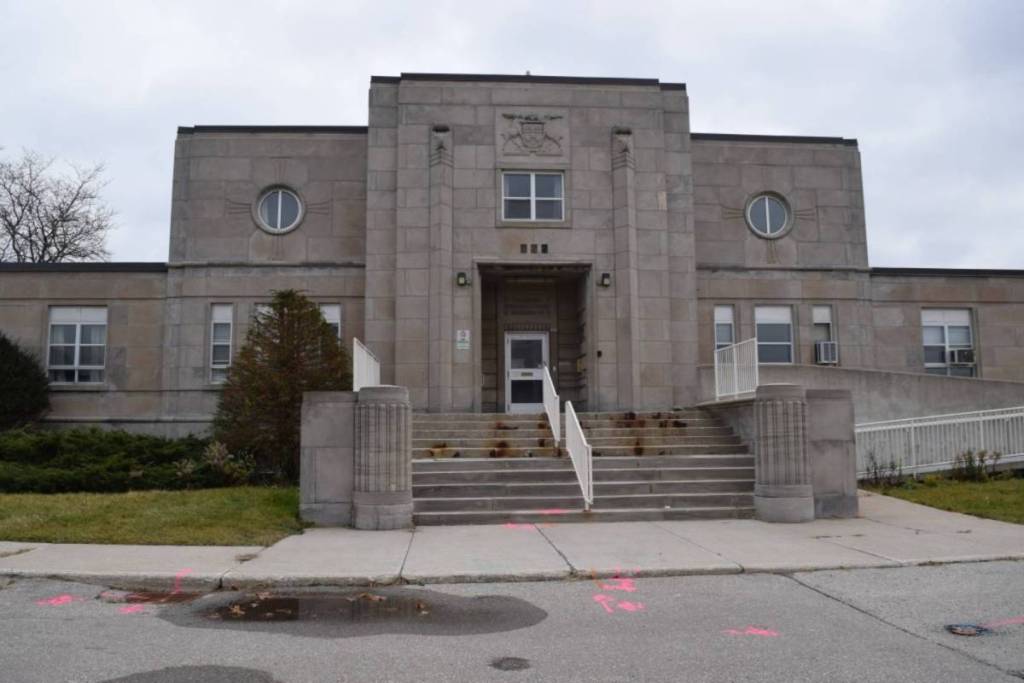
Opened in 1939, St. Thomas Psychiatric Hospital evolved into one of Ontario’s largest psychiatric facilities. It played a significant role in mental health care for decades. The facility was built as a self-contained campus and remained open for decades until psychiatric services were moved in the early 2000s. Though much of the site has since changed, the remaining historic buildings still reflect a significant chapter in Ontario’s mental health history.
Boblo Island Amusement Park
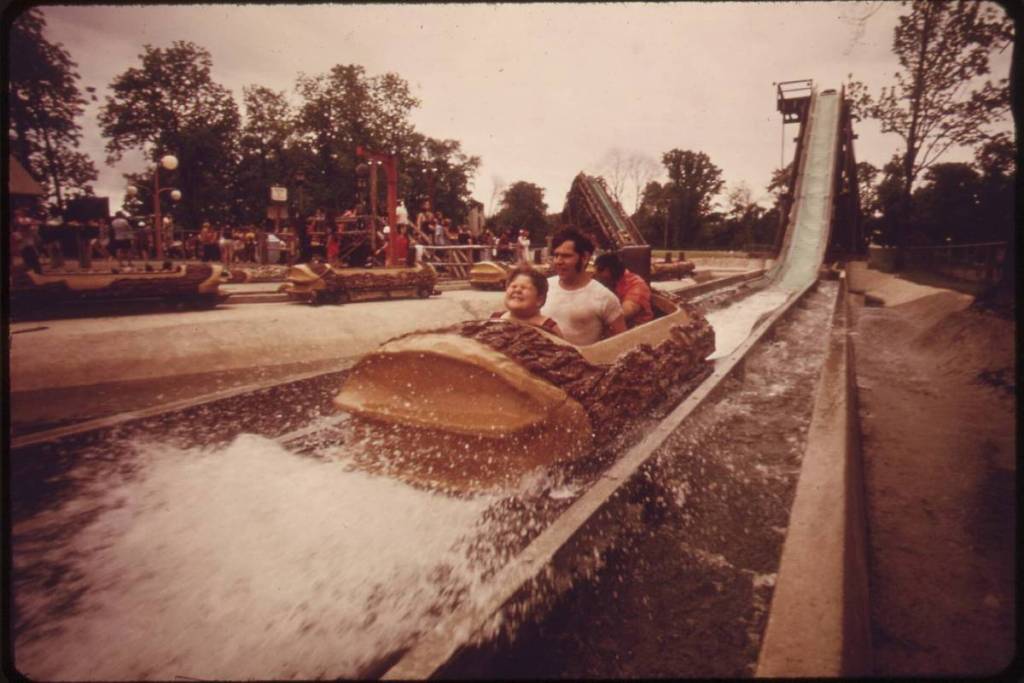
For nearly a century, Boblo Island Amusement Park was one of Ontario’s most popular summer destinations. After closing in 1993, the island was gradually transformed into a residential community. But traces of its amusement park past remained behind. Today, the contrast between modern waterfront homes and the remnants of a once-bustling attraction offers a fascinating glimpse into a forgotten chapter of Ontario history.