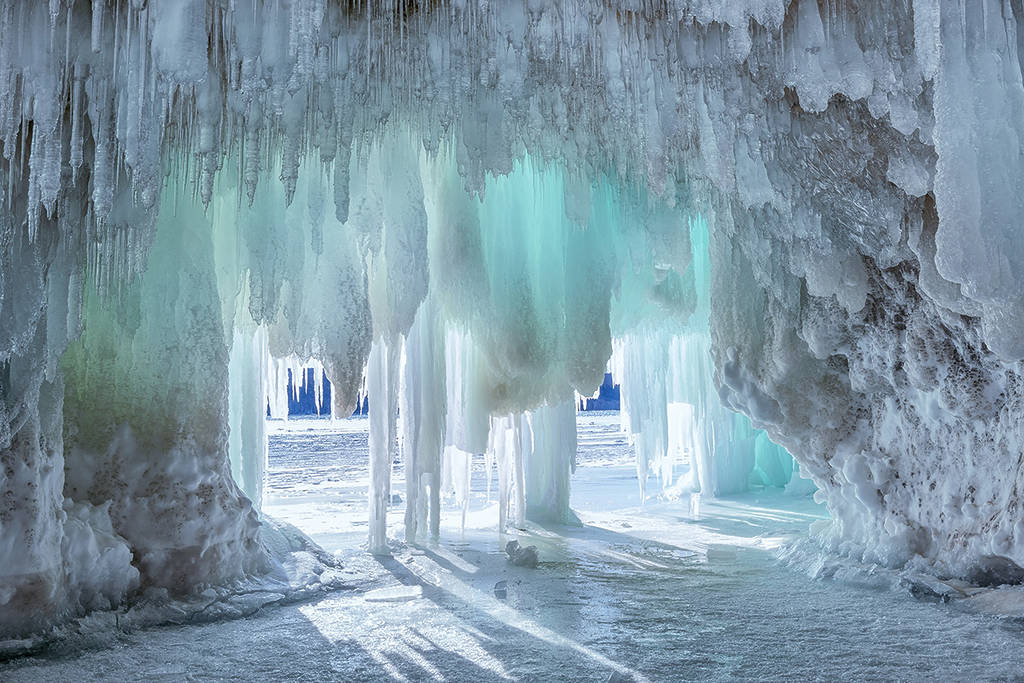
A rare natural phenomenon is transforming parts of Ontario’s rugged coastline into a frozen wonderland that looks like something out of a fairy tale.
While Northern Ontario is known for its bitterly cold winters, those freezing temperatures occasionally create a spectacular reward: the Lake Superior ice caves. These shimmering, translucent formations are so breathtaking that they were once ranked by the New York Times as one of the top 52 places to visit in the entire world.
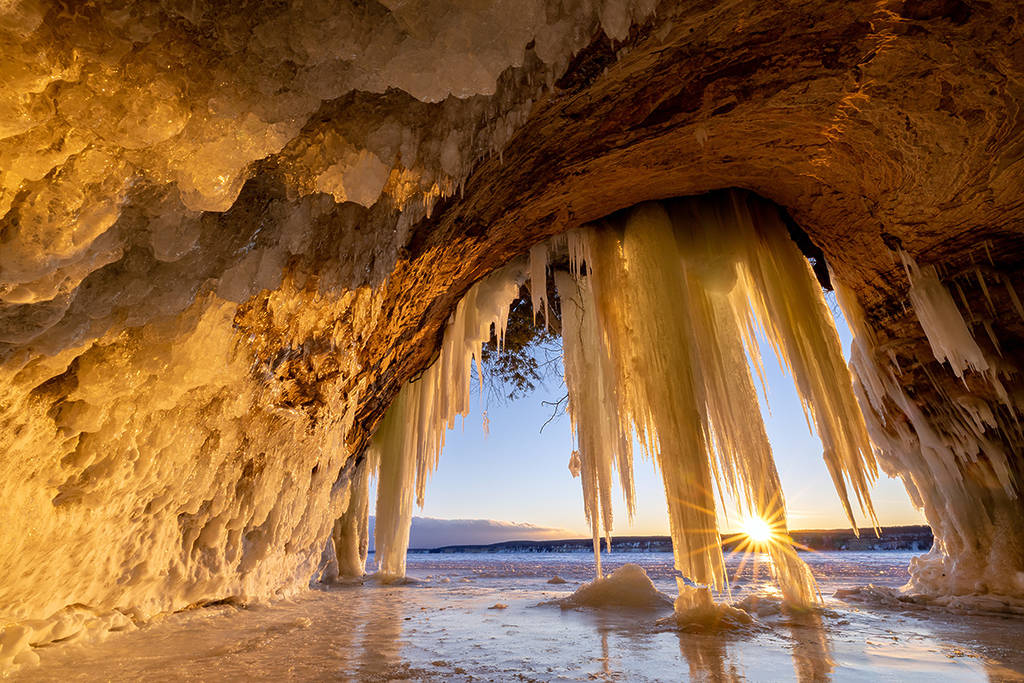
Getting to witness these caves is no small feat, but for those willing to make the trek, it’s a bucket list-worthy experience unlike any other. Located roughly nine hours from the city, Lake Superior Provincial Park offers a once-in-a-lifetime opportunity to see the power of nature up close.
The caves are born from a perfect storm of intense cold winds and crashing waves off the lake. When the conditions hit just right, the shoreline is encased in layers of thick, crystal-clear ice, creating hollowed-out chambers and towering frozen pillars.
While ice caves can form in various locations along Lake Superior’s extensive coastline, some of the most famous and accessible spots in Northern Ontario are near Sault Ste. Marie and along the stretch of coastline towards Pukaskwa National Park. Specific areas like the shoreline near Batchawana Bay and the Montreal River often yield spectacular formations when conditions are right.
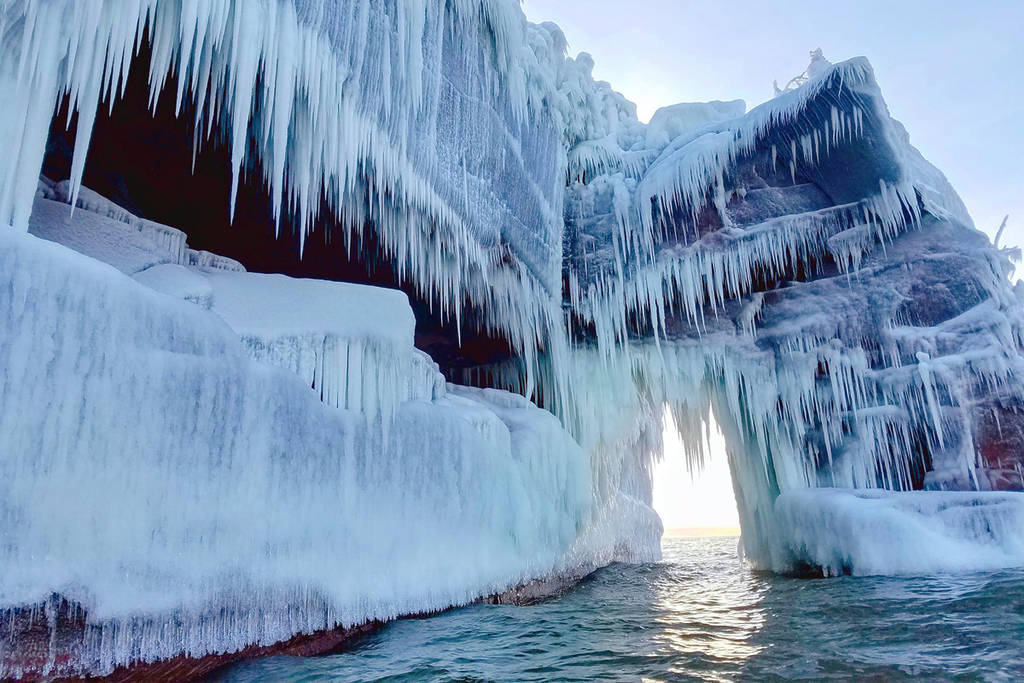
Because the caves are shaped by the wind and water, no two years are ever the same. Each season brings a completely unique layout of frozen tunnels and jagged overhangs for explorers to admire.
While the photos are stunning, visiting the caves requires some serious planning and caution. Since the Provincial Park is officially closed for the winter, you won’t find any open facilities or plowed parking lots. The caves are typically located far from the roads, requiring a long trek across the frozen lake via snowshoes or on foot.
In addition, the ice on Lake Superior is notoriously unpredictable. Enormous pressure underneath the surface can cause the ice thickness to change in an instant, making it potentially dangerous for solo hikers. It is highly recommended to book an experienced local guide rather than venturing out alone.
There is never a guarantee that the caves will freeze over in any given year, as the phenomenon is entirely dependent on the weather. Before you pack your bags and head north, be sure to check in with local tour companies to see if the ice has safely formed.