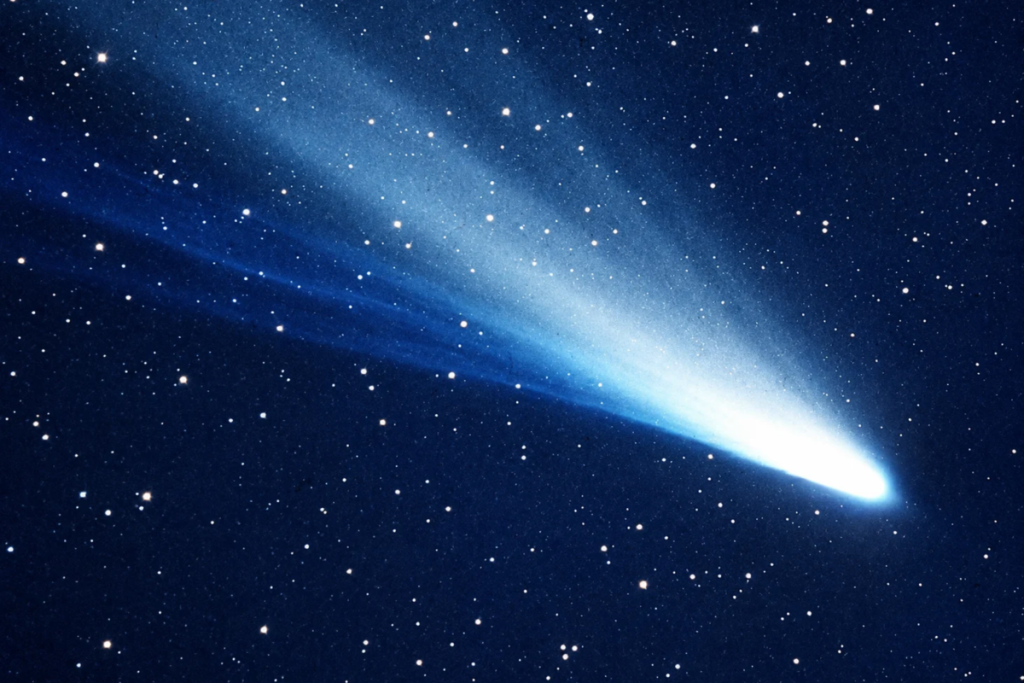

Under dark, moonless skies, the Orionid meteor shower can produce 10 to 20 meteors per hour. However, this year’s bright waxing gibbous moon could obscure fainter meteors, reducing the number visible.
According to EarthSky, the Orionid meteor shower is expected to peak around October 21, although its broad maximum means meteors could remain visible over several nights. For Toronto skywatchers, the best viewing opportunities are expected in the dark hours before dawn, after the moon sets. Exact moonset times vary by location, so checking a local almanac is recommended.
The constellation Orion, where the meteors appear to originate, rises before midnight, making the early morning hours particularly promising.
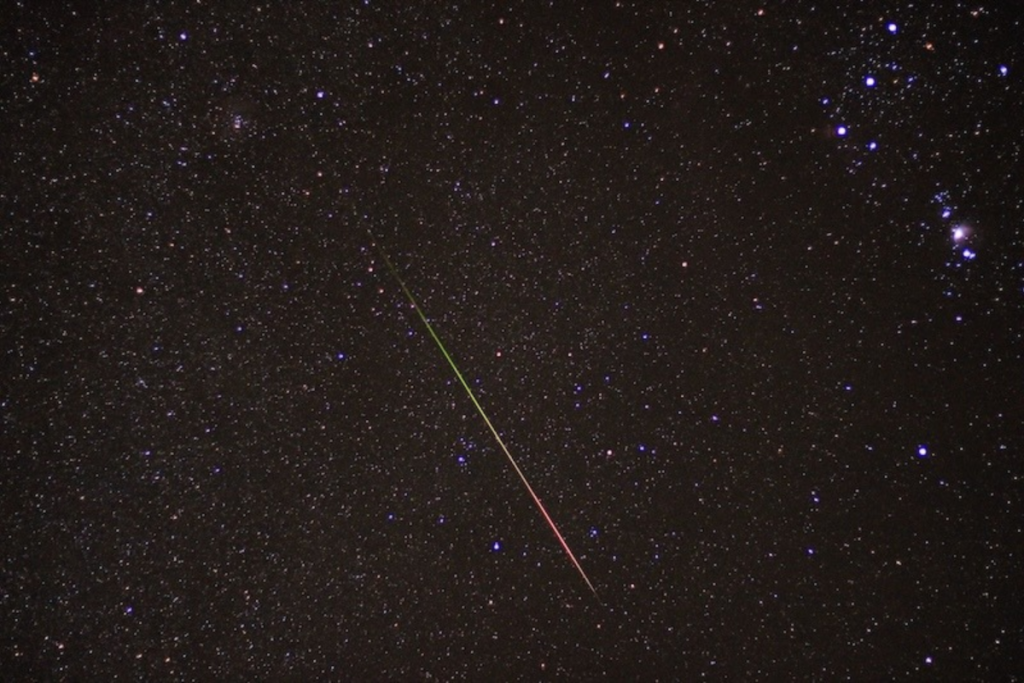
Weather conditions could also work in skywatchers’ favour. Environment Canada’s latest Tuesday afternoon forecast calls for clear skies in Toronto on Tuesday, Wednesday and Thursday nights, offering promising conditions for meteor watching. However, visibility isn’t guaranteed, and temperatures could fall to just 2°C by Thursday night. Frost is also possible Tuesday night, so dress warmly.
For the best experience, find a dark, open area, avoid your phone and allow 20 to 30 minutes for your eyes to adjust. There’s no need for binoculars or to look directly at Orion, as meteors can appear anywhere in the sky.
Travelling at around 66 kilometres per second, some Orionids leave bright streaks behind. With the shower’s broad peak extending across several nights, Wednesday and Thursday mornings could offer Toronto skywatchers opportunities to spot meteors.