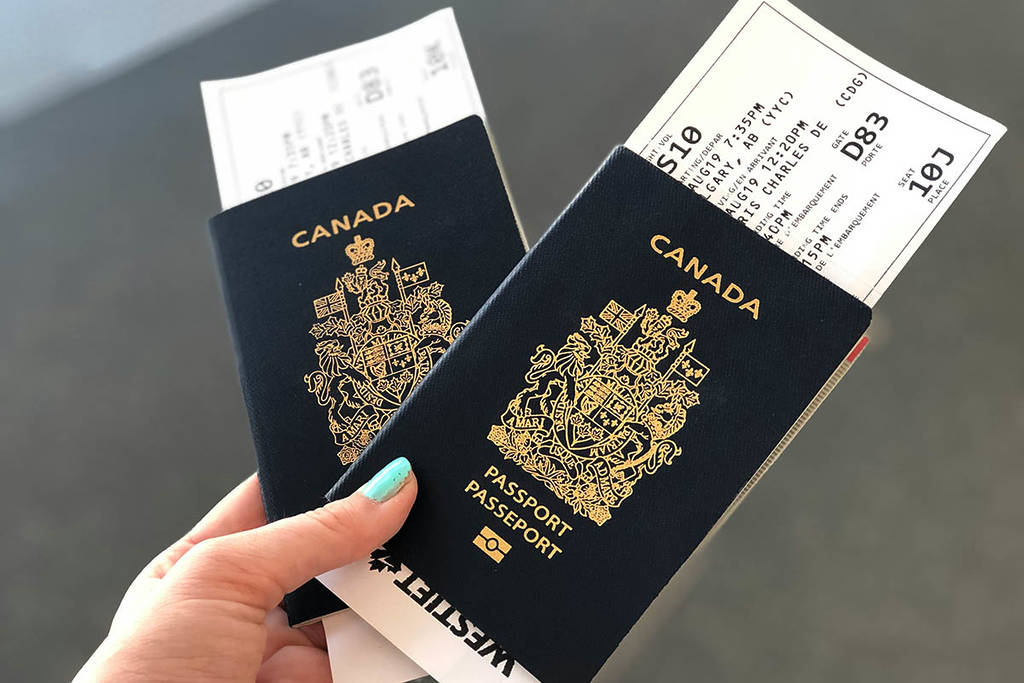
Your future Euro trip might now be a little more expensive.
On July 18, the European Commission announced an update that it intends to increase the fees for its new travel authorization system, which will impact Canadian travellers visiting popular destinations in Europe like Greece, Italy, and France.
They have proposed to hike the cost of the European Travel Information and Authorisation System (ETIAS) application from €7 (approximately $11 CAD) to €20 (about $32 CAD), citing inflation and the need to cover new technical upgrades to the system.
ETIAS is a digital travel permit designed for security purposes, allowing the EU to better track non-EU visitors who don’t need a traditional visa. It will be mandatory for visa-exempt non-EU visitors, including Canadians, once the system goes live in the final quarter of 2026.
Once operational, Canadians will need to submit an online application ahead of travel, providing basic personal and passport details. The form also asks for travel document information, education and occupation background, intended travel plans within the EU, and any history of criminal convictions or recent visits to conflict zones.
According to the website, most applications will be approved within minutes. However, in some cases, processing could take up to four days. If additional documentation is requested or an interview is required, processing times could extend to 14 or even 30 days. Travellers are therefore advised to apply well in advance of their planned departure.
Once approved, he authorization will be valid for three years or until the passport expires, whichever comes first, so you’ll be able to visit as many times as you like within that time frame.
The new €20 fee is designed to reflect the increased operational costs of the system and bring it in line with similar programs like the U.S. ESTA and the U.K.’s ETA. The increase will not apply to all travellers; applicants under the age of 18 or over the age of 70 will continue to be exempt, along with certain family members of EU citizens or legal residents.
Before the fee increase can be finalized, it must undergo a two-month review period by the European Parliament and Council. ETIAS was originally scheduled for rollout in 2021, but the program has faced multiple delays.
The most recent updates suggest it will officially launch by the end of 2026. Until then, Canadians can continue travelling to Europe without paying the new fee.